Types of Teen Permits & Licenses
Learn the Do's & Don'ts
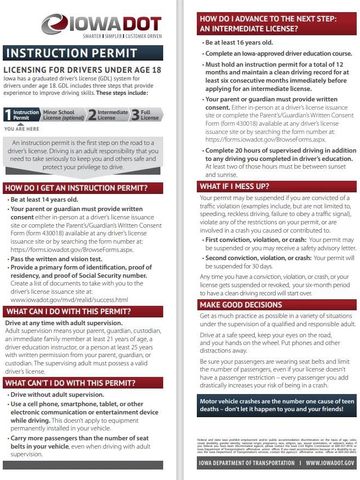
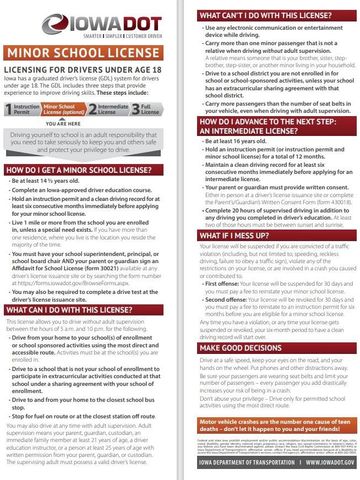
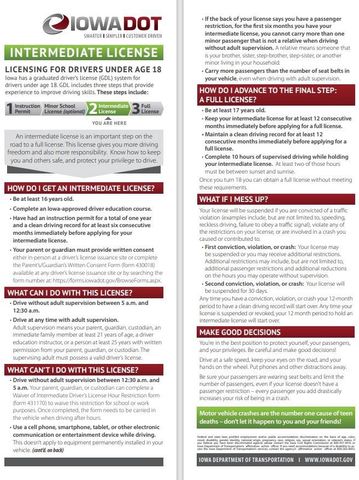
FAQS for New Teen & Adult Drivers

I am looking for the cheapest Driver Ed class & fastest way to get my teenager licensed. Is this you
The answer is simple – there are no driving schools that offer the level of training that we offer.
We provide quality instruction with exceptional customer service for a reasonable price. If cost is the only factor that you are basing your decision on, then we are not the driving school for you.
There is nothing quick about our training for a new driver whether they are a teenager, adult or Exceptional Learner. We schedule around the client, but we do require a lot of time and practice as part of the process.
Learning to drive is similar to many other skills in life, you have to apply what you learn and practice in order to master the skill. This is not one of those choices that should be made based on the criteria of cheap, easy and fast. If those are the ONLY factors you are considering, then you should call another driving school. There are several around that can accommodate those standards.
You must consider at the end of the day; this is your child.
Consider the costs of purchasing a vehicle, the cost of insurance, traffic tickets, hospitalization from an injury related to a crash, or worst of all, funeral costs.
How long does a driver training program typically last?
This question isn't easy to answer, because the real answer to this is: it depends on several variables. Our driver training courses have been developed so that we have influence points with you and your student during their time with their permit.
Depending on when you enroll, which course and or additional driving package selections you choose, the entire program can take anywhere from 3 weeks up to 6 months to complete for Teen and Adults. Our online classroom is available for 60 days, but our driving lesson portion can go longer depending on the driving skills selections purchased.
Iowa code states that a teen between the ages of 14 and 18 are required to take Driver Education in order to get a Special Minor Restricted License (school permit) or Intermediate License. They must take 30 hours of classroom studies and complete 5 hours of driving lessons and a final drive test to pass.
We take it a step further. The basics are fine, but we provide a comprehensive driver education experience. Once the basic driver education course has been completed, we offer additional skill practice sessions that can be scheduled throughout the year. These selections include advanced driving skills beyond the basics of normal driving. These skills help define what it means to be a safe and responsible driver.
We encourage our students to follow the 3 P’s. Practice, Patience and Perseverance.
Practice is a key component to success in anything you do. We have developed specialized take home assignments to facilitate making practice at home fun and successful.
A big factor in your child’s success depends on how much practice they are getting at home in between lessons with us. We are not in the business of running students through our driving school and tossing them out on the road. Speed is never our goal or intention.
Our objective is to develop competent, safe and responsible drivers, no matter how long it takes.
We encourage parents not to put an “specific date” on when the course needs to be completed and we strongly recommend avoiding a lot of emphasis on how fast a student can get their school permit. Your student may or may not be ready to be a driving solo when they turn 14 ½ or even 16. We are focused on readiness, not dates and eligibility. Recent research also indicates that many students feel pressured to get their license or school permit and the pressure is not coming from their peers, but from their parents or their coaches.
Don’t be those parents, do what is in the best interest of your child and provide them with training and practice that has the potential to keep them safe and alive. If your main objective is to get it done quickly, then Safer Driver Solutions is not the school for you.
When should a student begin their driver training?
A student is eligible for their permit when turn 14 in the state of Iowa and they MUST hold it for a minimum of 6 months from the date of issue, take a certified Driver Education course before they are eligible for the Special Minor Restricted License or the school permit.
We recommend that a student begin their program with us a few weeks to a few months after they have been issued their instructional permit. Students need to learn the basic rules of the road.
We ask parents to get a good deal of basic practice in before enrolling with us. If that is not possible, then enrolling in our Driver Education courses and adding additional driving lesson hours will enable us to provide the extra driving practice that they are missing at home. The student needs to gain proficiency in all the driving skills in order to pass our courses.
Our priority is to introduce more advanced strategies as they develop their skills so their lessons will get spread over a minimum of the 6-month period. An important reason we offer driving lesson skills over a longer period of time is because we live in a state with various weather conditions throughout the year.
Iowa has hot summer days, wind and rainy days and it also has cold, snowy and icy days. If a student takes Driver Education in the summer, they will not have had any experience in snow or Icy conditions.
Our goal is to continue those lessons after they have passed our Driver Education course. Driving practice does not end after the basic course is over. There are so many driving skills that are sometimes hard to practice in our regular course due to scheduling and availability.
Ideally, we want to focus on traffic situations that are not easily practiced at home, such as driving in rain, snow, wind, driving at night, on two lane or four lane highways and interstate. Driving in larger metro cities and practice in heavier traffic or in cities with stop lights with turning arrows. All of these driving skills are essential to your student’s training to be a safe and defensive driver.
We know family schedules are busy and making time for your student’s practice at home is sometimes impossible, but scheduling time with us will make practice with your student possible plus they will be receiving expert training from our instructors. It is our recommendation to schedule the first on-road lesson and receive feedback on the student’s skills so we can provide our best recommendation as to how much lesson time is required. Once enrolled in our Driver Education course, our driving instructors will report to the parent and student after every lesson to discuss the positives and opportunities for improvement as they move towards licensure for either a Special Minor Restricted License or Intermediate License.
What are your driving instructor’s credentials?
Safer Driver Solutions instructors come from many walks of life.
We look for individuals that enjoy working with young people of all types and backgrounds. Most of our instructors have a special education background or have had experience in occupational therapy.
We also look for individuals that can empathize with how a student learns and we tailor our instructions to fit student’s specific learning style. Our instructors meet both state DOT and Board of Educational Examiner requirements and requirements specific to Safer Driver Solutions:
State Requirements:
- Iowa DOT Behind-the-Wheel certification (college course based on ANSTSE curriculum)
- Fingerprinted and required to have a background check done
- Renewal certification for Iowa Board of Educational Examiners and Iowa DOT (yearly)
- No aggressive traffic violations, no DUI or at-fault crash involving a serious injury or fatality.
Safer Driver Solutions Requirements:
- ADED training courses that consist of online learning and evaluations
- Must pass a drug test
Instructors are evaluated several times a year by the Safer Driver Solutions lead trainer to insure they are meeting curriculum objectives and Safer Driver Solution’s standards of excellence.
How do you schedule driving lessons?
Our Teen Driving lessons are scheduled in 1-hour increments as state law mandates. All teen driving lessons are scheduled with the parents. No teenager is allowed to schedule a driving lesson. After each driving lessons, a parent will be provided feedback about the progress of their child, offering the positives and opportunities for improvement.
Our adult driving lessons or lessons outside of a Driver Education course are in either one or two-hour increments. At present all lessons are scheduled by appointment by office staff.
We have daytime, afternoon and evening appointments available.
We are open on Saturdays and some Sundays, depending on demand.
Is the online classroom instruction mandatory for everyone?
Yes.
The state required Driver Education course for teens 14 – 18 requires the student take and pass the online course we provide.
We require every individual 18 and over, take our online driver education course curriculum. All new drivers are the same. Regardless of age, if you have never had a license, you are no different than a 14 year old or 16 year old.

If I am paying you to teach my student how to drive, why do I have to practice with them?
Even though your student is getting driver training, it is absolutely necessary that they are practicing what they are learning every day.
The state of Iowa requires 30 hours of practice, of which 4 hours must be nighttime hours.
Safer Driver Solutions recommends between 50 - 100 hours of practice because studies have shown that students that spend a lot of time practicing their driving skills are LESS LIKELY to be part of the overwhelming number of novice drivers that are involved in car crashes in their first year of driving.
Studies by the CDC have shown that teens who drive with a parent in the car are less likely to take risks and engage in dangerous behavior behind the wheel. So, driving with your student could save their lives, and the lives of others.
Remember we live in Iowa where we encounter many weather patterns and seasonal traffic situations, not to mention that most of Iowa is rural.
We have hot summer days, spring and fall rain and fog, wind and winter snow, ice and intense cold. Because we are a rural state, a good portion of our teen drivers will drive on gravel and travel 15 – 20 minutes on a two lane highway to school. Iowa is a farming state. We have farm implement on the roadways from May through October.
Practice is essential.
If you simply cannot practice with your student, we encourage you to talk to us. We have packages where we can provide your student additional hours of on-road instruction/practice. However, even with these extra hours, it is highly recommended that a student practice driving with their parents during the permit phase.
How much does the Safer Driver Solutions program cost?
Safer Driver Solutions offers several options because every student learns differently.
Our driving school works with teens, adults and those who qualify for our Driving for Exceptional Learner program.
Depending upon your student’s circumstances, and which program or package you choose, the tuition can start at $400 and go up from there based on the specific circumstances that an individual may require. When you contact us through our online contact us form or intake form, we ask several questions to identify which program is a best fit for the new driver’s situation.
The Teen programs will start at $400 with additional driving skills packages that can be purchased separately to be included in with the base package or scheduled for a later time. For example, winter driving lessons can be purchased with Summer Drivers Ed, but will be saved for later when winter comes.
Adult lessons are based on location and level of skill. All packages include a DOT drive test once proficiency has been achieved.
Please read about the Driving for Exceptional Learners in the FAQs below for information on that program or click on the page that states Exceptional Learner.
We encourage you to do your own research and ask questions about what schools offer.
For example: What research is their program based on?
What is the training methodology used for training instructors?
What type of on-going training do they do for their trainers?
Do you have a specified curriculum and objectives that they can share?
We also encourage you to visit schools or call them and get a feel for their environment. Sometimes, a phone call can help you make a decision on whether or not it is a good fit for you.
Can a novice driver purchase only on-road instruction from your school?
In Iowa, no. Thirty hours of classroom is required unless you are approved to do this as a home school program. There are plenty of schools that offer only classroom and on-road instruction.
We don’t believe in just teaching “the basics or the minimum requirements”. We offer more advanced training to keep safe and responsible drivers on the road.
We are passionate about more practice and offering additional driving skills.
The reason is simple: the national average of young drivers involved in a collision in their first year is above 50%. More practice in skills beyond the basics will result in better odds or making safer choices while continuing to drive and become a more responsible driver. We believe offering these additional driving skills in the training process plays a major role in this reduction.
The traditional teen driving school in Iowa has 5 hours of lessons to cover before administering a final drive assessment. Over 20 years ago, Driver Education was a semester class, and as a Driver Education student, you would drive every other day for 30 minutes. An average semester is 100 days. If a student drove every other school day in Driver Ed for 30 minutes, they would drive 1500 minutes, which equals 25 hours of instructor training. Now it is down to 5 hours plus a drive assessment.
As parents and grandparents, we had lots of practice. Why should your teen be deprived of the practice and instruction you had as a new teen driver?
Does Safer Driver Solutions test students for their driver’s license or do we have to test at Iowa D
If a student completes a minimum of 5 hours of on-road instruction, Safer Driver Solutions will administer the driving skills assessment. If the student passes the driving assessment, their instructor will indicate that the student passed. They will need to have successfully passed the classroom portion of the class. Once both have been successfully passed, the classroom instructor will submit the student’s name to the Iowa DMV electronically. This is posted into the Iowa DOT database and then the parent may either make an appointment with the Iowa DOT or a local county courthouse to have either the Special Minor Restricted License (School Permit) or Intermediate License issued.
If the student passes the classroom but fails the final drive assessment, the driving school will elect on the electronic submission to the Iowa DOT that a DOT Drive be administered by the State Examiner or County Courthouse Examiner in for the student to get their license.
Safer Driver Solutions rarely ever submits a student driver for a DOT drive test. We prefer to continue to provide instruction and practice to the student until proficiency has been achieved.
In many cases, other driving schools will only offer a 30 + 6 program. If the student is unable to pass in 6 drives, they will simply fail the student and move on. At Safer Driver Solutions, we know that practice at home can be challenging. Busy parents, busy kids involved in extracurricular activities makes practice hard. Also, many parents struggle with teaching their son or daughter to drive because of the stress it puts on the family dynamic. Unfortunately, today’s vehicles are expensive and there is some fear in “how to coach the teen” what to do instead of getting into a more intense “telling them what to do.” We would prefer to assist the family with supports or just be the outlet to provide the practice.
Does my child have to hold his/her drivers permit for six months, even if he goes to Safer Driver So
Unless your child reaches the age of 18 before the six-month requirement, then yes.
In most cases, six months is not enough time for a teen driver to develop the necessary driving skills to be safe on Iowa’s roads.
Remember we have summer heat, rain, fog, wind, snow, ice and intense cold. A new teen driver will not encounter all of these in enough frequency in 6 months and be safe. We always recommend to parents to make that determination themselves. A learner’s permit is good for 4 years in Iowa. It was designed to give the student plenty of time to learn and master the required driving skills needed to be safe and responsible. Please refer to the Iowa Graduated Driving Licensing laws on the stages of driving prior to a full license or in one of our other FAQs.
Safer Driver Solutions focuses on not only eligibility but also proficiency for a license.
Can a parent ride along for the on-road driving lesson?
Absolutely. We encourage parents to do so!
It is beneficial because it allows parents to visualize and listen to how our instructors work with their student. The more similar a parent’s instruction is to our instruction, the less stressful it will be for a student to learn how to drive. We recommend that a parent come on the second lesson too.
We can provide simple at-home practice assignments for parents to use at home with their teen driver. The teen will have learned it first in a previous lesson and then can practice it at home with the parent or guardian.